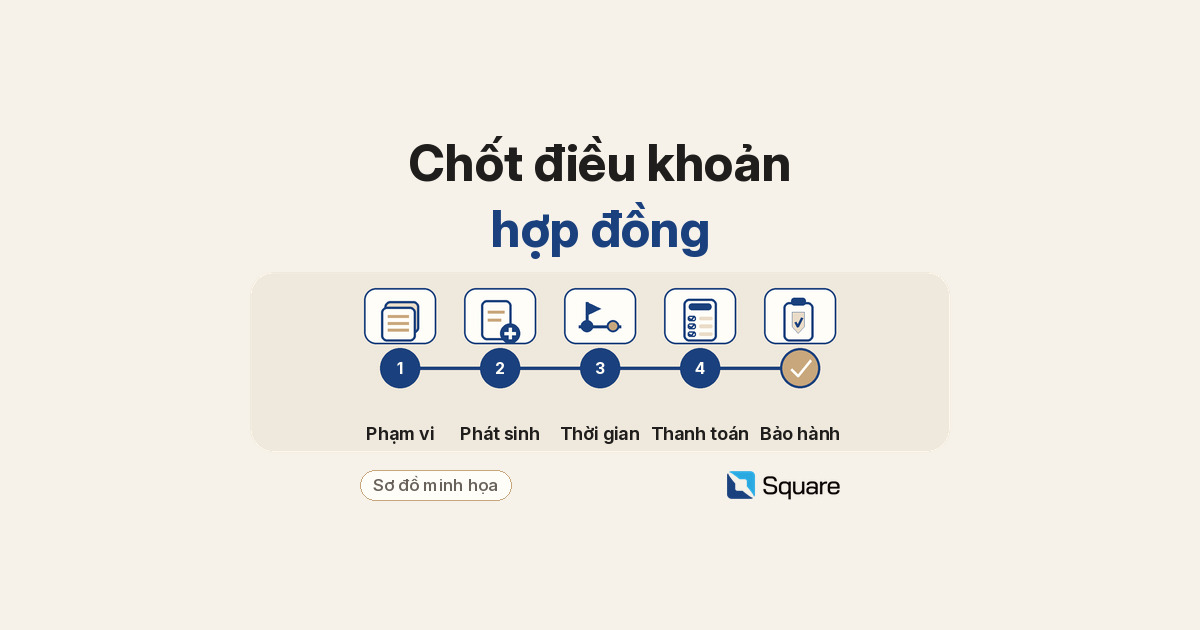
Hợp đồng thi công nội thất không chỉ là tổng giá và ngày bàn giao. Đó là văn bản chốt phạm vi việc, điều kiện đổi, mốc thời gian, cách thanh toán và trách nhiệm sau bàn giao. Thiếu các điều này, tranh cãi thường nảy khi có phát sinh hoặc khi một bên hiểu “xong” khác với bên kia.
Checklist thực hành do Square biên soạn cho dự án thiết kế – thi công nội thất căn hộ hoặc nhà phố. Không phải biểu mẫu hợp đồng hay tư vấn pháp lý; kết luận cuối phải khớp hồ sơ đã duyệt, thỏa thuận các bên và pháp luật áp dụng. Vai trò ai duyệt, ai làm, ai được thông tin nên khớp ma trận RACI dự án nội thất.
Phạm vi công việc và hồ sơ gắn với hợp đồng
Ghi rõ việc nằm trong giá: phòng nào, hệ nào (tủ bếp, tủ áo, trần, sàn…), việc loại trừ (xây, điện nước ngầm, thiết bị chủ nhà cấp), và phiên bản bản vẽ / bảng vật liệu / báo giá được dẫn. Đối chiếu từng dòng báo giá trước khi gắn vào phụ lục — xem kiểm báo giá từng dòng trước khi ký.
Mỗi phụ lục nên có số hiệu phiên bản và ngày. Khi bản vẽ đổi mà phụ lục giá chưa đổi, hợp đồng dễ bị hiểu hai cách.
Phát sinh và thay đổi sau ngày ký
Chốt cửa thay đổi: ai được yêu cầu, ai được duyệt (vai trò A), hình thức xác nhận (phụ lục hoặc lệnh viết), và việc chưa duyệt thì chưa thi công / chưa tính thêm tiền. Hợp đồng các dự án xây dựng lớn (họ FIDIC) tách rõ biến đổi phạm vi khỏi trao đổi miệng; căn hộ không cần sao chép biểu mẫu đó, nhưng nên giữ cùng nguyên tắc: mọi đổi mã, đổi layout hay thêm hạng mục đều có giấy và giá trước khi làm.
Ghi cả hướng xử lý khi hiện trạng lệch bản vẽ sau khi đo lại: ai quyết định, hạn chốt bản triển khai cập nhật, và giá/thời gian có được điều chỉnh thế nào.
Thời gian, điều kiện bắt đầu và chậm tiến độ
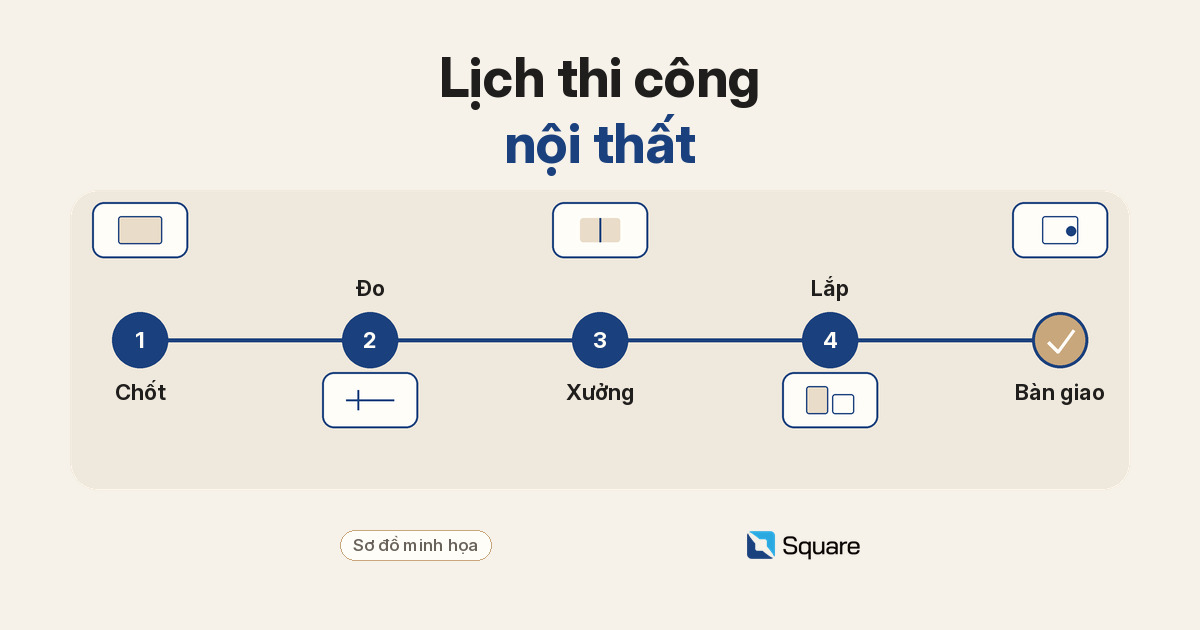
Nên gắn mốc với điều kiện bắt đầu (mặt bằng sạch khô đủ, điện tạm, bản vẽ đã chốt), không chỉ một số ngày treo. Lịch chi tiết nên khớp lịch thi công nội thất từ chốt thiết kế đến bàn giao.
Hỏi rõ: khi chậm vì phía chủ nhà (duyệt muộn, thiết bị cấp muộn, không mở cửa) thì mốc được đẩy thế nào; khi chậm vì phía thầu thì chế tài hay gia hạn được ghi ra sao. Tránh để “phạt chậm” mà không có định nghĩa ngày bắt đầu.
Thanh toán, tạm ứng và số tiền giữ lại
Mỗi đợt thanh toán nên gắn một điều kiện “xong” có kiểm được: ví dụ duyệt thiết kế, đặt cọc vật tư theo phụ lục, hoàn thành đợt lắp đã nghiệm thu phần, bàn giao. Tỷ lệ từng đợt do các bên thỏa thuận và ghi thành số; bài này không đề xuất tỷ lệ mẫu.
Nếu có khoản giữ lại đến hết hạn sửa lỗi, ghi rõ số tiền hoặc tỷ lệ, điều kiện giải phóng, và tài khoản / hình thức chi. Hóa đơn, chứng từ vật tư (khi hợp đồng yêu cầu) nên nộp theo cùng mốc thanh toán.
Bàn giao, bảo hành và hồ sơ cuối
Định nghĩa bàn giao: biên bản, danh sách lỗi (nếu có), hạn sửa, và bộ hồ sơ phiên bản cuối. Dùng checklist mở cánh, kéo ngăn, kiểm ke — xem checklist nghiệm thu nội thất căn hộ.
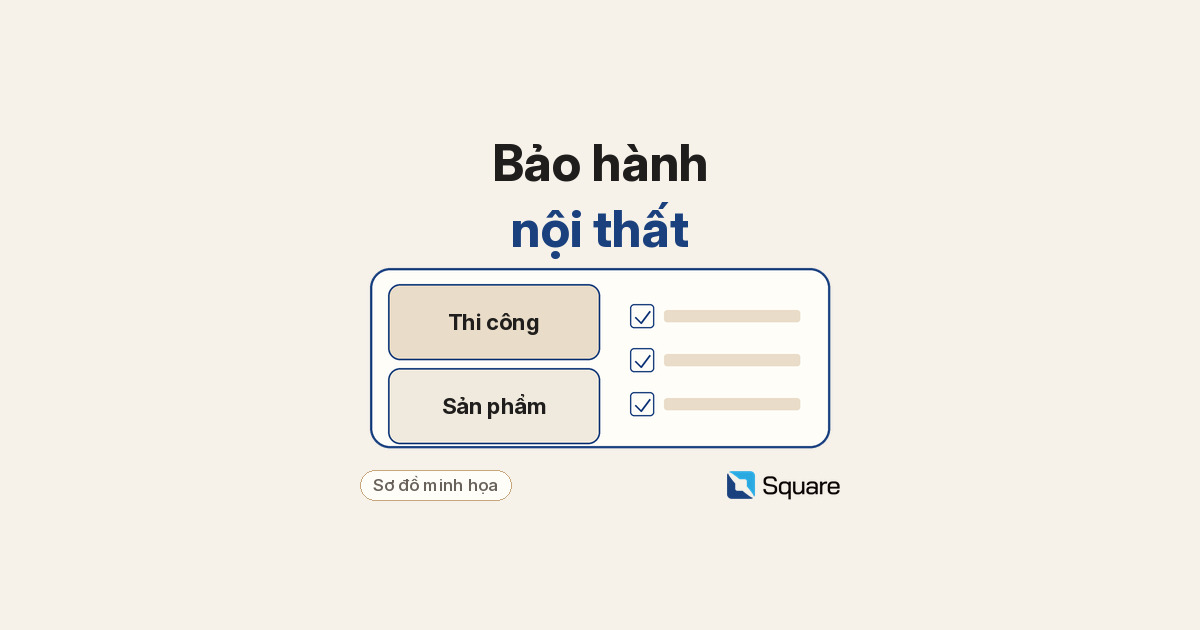
Bảo hành phải tách rõ: hạng mục / sản phẩm nào, thời hạn, ngày bắt đầu (thường từ bàn giao hoặc ngày ghi trên chính sách), cách thông báo lỗi, và trường hợp loại trừ. Với hàng hóa, linh kiện có bảo hành cho người tiêu dùng, Luật Bảo vệ quyền lợi người tiêu dùng số 19/2023/QH15 (có hiệu lực 01/7/2024) yêu cầu công bố chính sách gồm thời điểm, thời hạn, nội dung, phạm vi, phương thức và trường hợp loại trừ — áp dụng theo quan hệ và hồ sơ thực tế, không thay tư vấn pháp lý.
Điều gì dễ bỏ sót — và checklist một trang
- Phạm vi và loại trừ không gắn với phiên bản bản vẽ / báo giá.
- Đổi mã hoặc layout chỉ trao đổi miệng, chưa có phụ lục.
- Số ngày thi công không có điều kiện bắt đầu từng giai đoạn.
- Đợt thanh toán không gắn điều kiện nghiệm thu hay hồ sơ.
- Bảo hành chỉ ghi “có bảo hành” mà không có phạm vi, hạn và loại trừ.
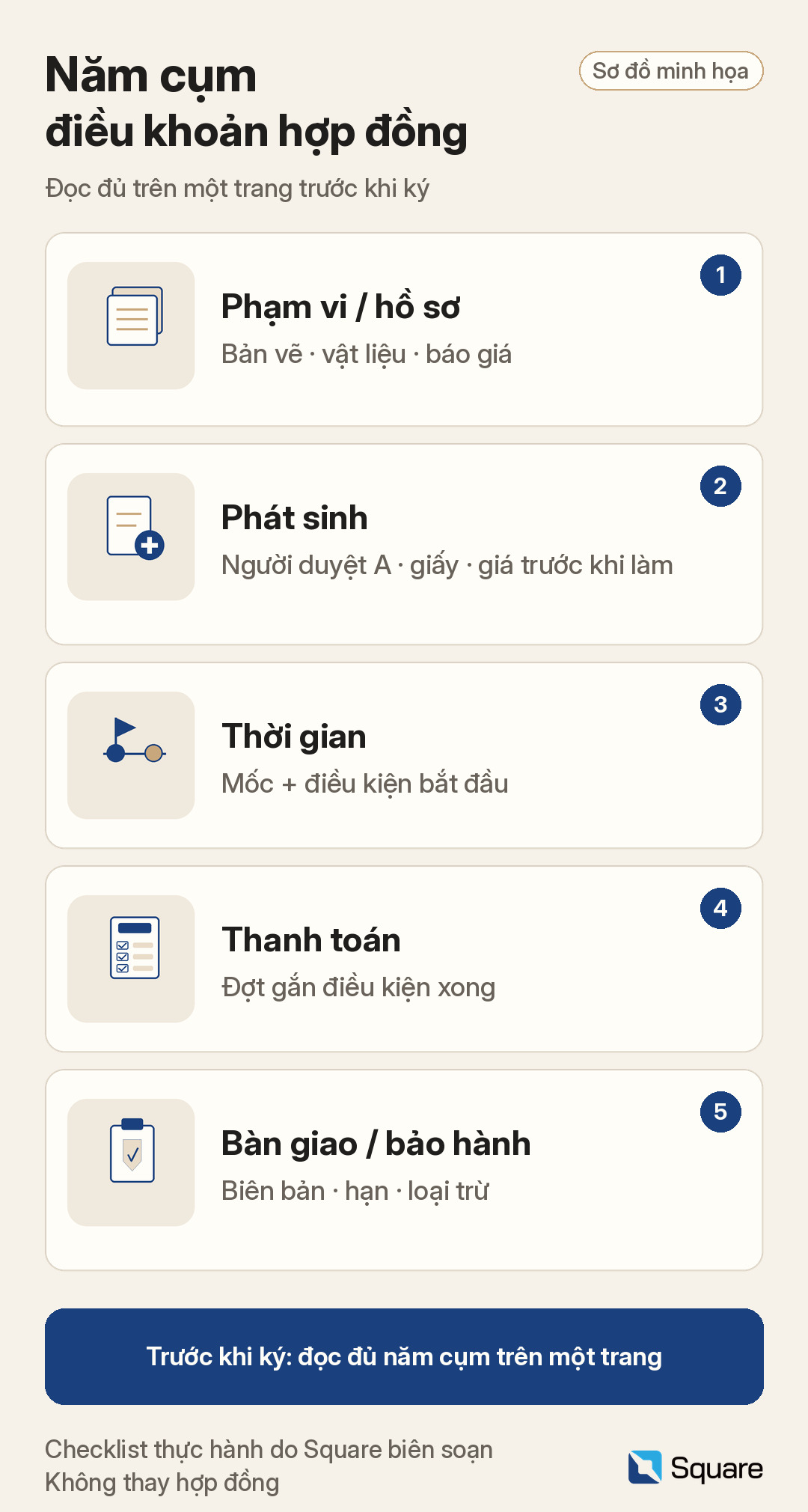
Trước khi ký, đọc lại năm cụm này trên một trang, đối chiếu chữ ký / email xác nhận, và giữ cùng họ phiên bản với bản vẽ.
- Phạm vi + loại trừ + số hiệu bản vẽ, vật liệu, báo giá.
- Cửa phát sinh: người duyệt A, hình thức giấy, giá trước khi làm.
- Mốc thời gian + điều kiện bắt đầu + cách xử lý chậm.
- Các đợt thanh toán + điều kiện “xong” + khoản giữ lại (nếu có).
- Bàn giao, hồ sơ cuối, chính sách bảo hành theo hạng mục.
Câu hỏi thường gặp
Có bắt buộc dùng biểu mẫu FIDIC hay ISO không?
Không. Họ hợp đồng FIDIC và hệ quản lý ISO hữu ích ở dự án lớn; căn hộ hoặc nhà phố thường dùng hợp đồng riêng. Có thể học cơ chế (phạm vi, biến đổi, mốc, sửa lỗi) mà không sao chép biểu mẫu.
Phụ lục và hợp đồng lệch nhau thì lấy bản nào?
Nên ghi thứ tự ưu tiên giữa hợp đồng, phụ lục và bản vẽ. Nếu chưa ghi, làm rõ bằng phụ lục mới trước khi thi công — đừng để hai bản cùng hiệu lực.
Ai được quyền ký phát sinh?
Người được chỉ định trên hồ sơ (vai trò A). Người không có thẩm quyền xác nhận thì chưa đủ để thi công hay thanh toán thêm.
Square chia sẻ kiến thức về nhà ở và không gian sống. Khi cần thiết kế và thi công nội thất, bạn có thể liên hệ đội ngũ Square.
Cần hỗ trợ đọc điều khoản trước khi ký?
Liên hệ Square qua trang Liên hệ để trao đổi thiết kế – thi công nội thất và cách chốt điều khoản hợp đồng trước khi ký.
Tham khảo thực hành, không thay hợp đồng, biểu mẫu pháp lý hoặc tư vấn pháp lý. Không nêu số liệu thống kê hay tỷ lệ thanh toán mẫu; dẫn Luật 19/2023/QH15 chỉ ở mức chính sách bảo hành công bố; áp dụng theo hồ sơ, thỏa thuận các bên và pháp luật hiện hành.
English version — sentence-aligned with the Vietnamese text above.
An interior construction contract is not only a total price and a handover date. It is the document that locks the scope of work, change conditions, time milestones, payment method, and post-handover duties. When these terms are missing, disputes usually appear after a variation or when one party defines “done” differently from the other.
A practice checklist prepared by Square for apartment or townhouse design–build interiors. It is not a contract form or legal advice; the final call must match approved documents, party agreements, and applicable law. Who approves, who does the work, and who is informed should match the interior-project RACI matrix.
Scope of work and documents attached to the contract
State what the price includes: which rooms, which systems (kitchen cabinets, wardrobes, ceilings, floors…), what is excluded (builder’s work, concealed electrical and plumbing, owner-supplied equipment), and which drawing / material schedule / quote revision is referenced. Cross-check the quote line by line before attaching it as an appendix — see checking a quote line by line before signing.
Each appendix should carry a revision number and a date. When drawings change but the price appendix does not, the contract is easy to read in two ways.
Variations and changes after the signing date
Lock the change gate: who may request, who may approve (the A role), the confirmation form (an appendix or a written instruction), and that unapproved work is not built or billed. Large construction contracts (the FIDIC family) keep scope changes separate from verbal exchanges; an apartment project need not copy those forms, but should keep the same rule: every code change, layout change, or added item has paper and a price before work starts.
Also record what happens when the site differs from the drawings after re-measure: who decides, the deadline for updated shop drawings, and how price and time may be adjusted.
Time, start conditions, and delays
Tie milestones to start conditions (a clean-dry-enough site, temporary power, locked drawings), not only a hanging day count. The detailed schedule should match the interior construction schedule from design lock to handover.
Ask clearly: if the owner side causes delay (late approval, late owner equipment, no access), how milestones move; if the contractor causes delay, how remedies or extensions are written. Avoid a “delay penalty” with no defined start date.
Payments, advances, and retention
Each payment installment should attach a checkable “done” condition: for example design approval, a material deposit per the appendix, completion of an accepted install phase, or handover. The share of each installment is agreed by the parties and written as figures; this article does not propose sample percentages.
If a sum is retained until the defect-fix period ends, state the amount or rate, the release conditions, and the account or payment method. Invoices and material documents (when the contract requires them) should be submitted on the same payment milestones.
Handover, warranty, and the final pack
Define handover: minutes, a defect list (if any), a fix deadline, and the final revision pack. Use a checklist that opens doors, pulls drawers, and checks gaps — see the apartment interior handover checklist.
Warranties must split clearly: which items or products, the period, the start date (usually handover or the date on the policy), how defects are notified, and exclusions. For goods and parts warranted to consumers, the Law on Protection of Consumers’ Rights No. 19/2023/QH15 (effective 1 July 2024) requires a published policy covering the start, duration, content, scope, method, and exclusions — apply this according to the actual relationship and documents; it is not a substitute for legal advice.
What is easy to miss — and a one-page checklist
- Scope and exclusions not tied to a drawing / quote revision.
- Code or layout changes agreed only verbally, with no appendix.
- A construction day count with no start condition for each stage.
- Payment installments not tied to an acceptance condition or documents.
- A warranty that only says “warranted”, with no scope, period, or exclusions.
Before signing, reread these five clusters on one page, cross-check signatures / confirming emails, and keep the same revision family as the drawings.
- Scope + exclusions + drawing, material, and quote revision numbers.
- The variation gate: A-role approver, written form, price before work starts.
- Time milestones + start conditions + how delays are handled.
- Payment installments + “done” conditions + retention (if any).
- Handover, the final pack, and item-by-item warranty policy.
FAQ
Must the contract use a FIDIC or ISO form?
No. The FIDIC contract family and ISO management systems are useful on large projects; apartments or townhouses usually use a bespoke contract. You can learn the mechanisms (scope, variation, milestones, defect remedy) without copying the forms.
If an appendix and the contract disagree, which one prevails?
State an order of precedence among the contract, appendices, and drawings. If none is stated, clarify it with a new appendix before work starts — do not leave two versions equally in force.
Who may sign a variation?
The person named on the documents (the A role). Confirmation from someone without authority is not enough to build or bill extra work.
Square shares knowledge about housing and living spaces. When you need interior design and construction, you can contact the Square team.
Need help reading the terms before you sign?
Contact Square via the Contact page to discuss design–build interiors and locking contract terms before signing.
Practice reference only; not a substitute for contracts, legal forms, or legal advice. No statistics or sample payment rates are stated; Law 19/2023/QH15 is cited only at the level of a published warranty policy; apply per documents, party agreements, and current law.